

Car accident evidence can shape the outcome of a personal injury claim long before a…
What Evidence Can Make or Break a Car Accident Claim in Virginia
Evidence often determines whether a car accident claim succeeds or fails in Virginia. Whether a collision occurs on an interstate or a local street in Virginia Beach, the actions taken immediately afterward can significantly affect the outcome of a case. In many cases, the quality of the evidence collected after a crash has a direct impact on the outcome of a car accident claim. Without strong supporting documentation, insurance companies may challenge liability, dispute injuries, or question the value of damages.
Evidence Collected at the Accident Scene
The official police report often provides the starting point for a car accident lawsuit and can become an important piece of accident evidence. Responding officers document road conditions, traffic violations, and statements from the parties involved. Although a report may not always be admissible at trial, it frequently serves as an important reference when liability is evaluated.
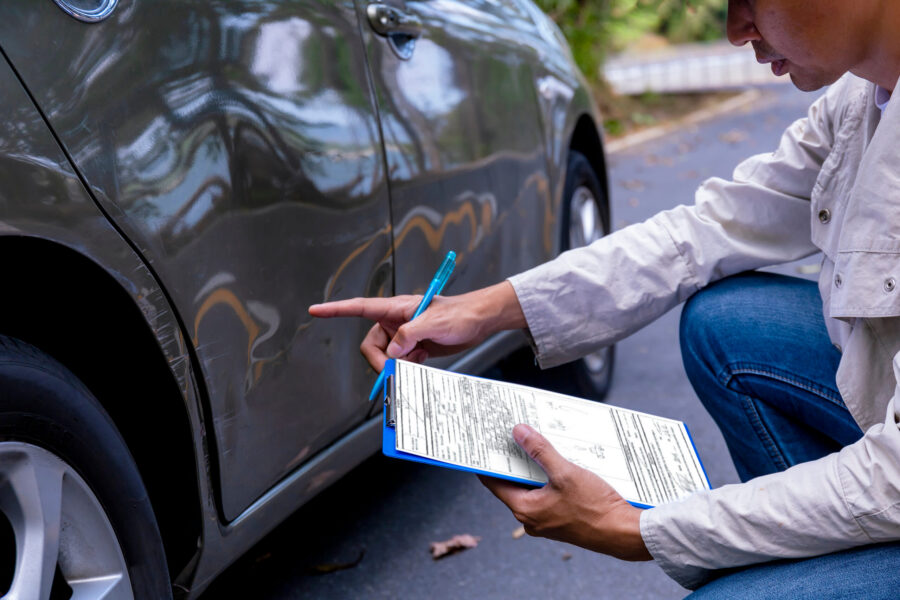
Photographs and video recordings can document the accident scene, vehicle damage, and visible injuries before conditions change. Capturing the positions of the vehicles, skid marks, debris fields, and weather conditions prevents the defense from altering the narrative later. Visual evidence preserves important details before vehicles are moved or physical evidence disappears.
Witness statements provide an unbiased account of the collision from individuals who have no financial stake in the outcome. Independent observers contribute critical accident evidence that can overcome a direct dispute over liability between the two drivers and strengthen a car accident claim. Securing their names and contact information immediately at the scene ensures their testimony can be utilized during depositions or trial proceedings.
Medical Documentation and Proof of Damages
Prompt medical attention establishes a direct medical link between the collision and your physical injuries, preserving the validity of your personal injury claim. Delaying medical treatment provides insurance adjusters with an easy opportunity to argue that your injuries resulted from an unrelated event or were simply not severe. Seeking immediate care makes this defense argument far more difficult to sustain.
Comprehensive medical records document your diagnosis, treatment, and prognosis. Physicians and specialists should clearly record the extent of injuries and necessary treatment. These records help support a personal injury claim and demonstrate the extent of damages caused by the collision.
Billing statements quantify the economic damages related to your medical expenses. Every hospital invoice, pharmacy receipt, and physical therapy bill is necessary to prove the precise financial burden the accident has placed upon you. Without exact numerical documentation, you cannot compel an insurance company to reimburse your out-of-pocket costs.
Sustaining Your Car Accident Lawsuit with Ongoing Evidence
Documenting lost wages helps establish the financial impact of an accident. Employment records, tax returns, and employer statements can demonstrate lost income, missed opportunities, and reduced earning capacity.
Property damage estimates help establish the extent of vehicle and personal property losses. Formal repair estimates and appraisals provide objective valuations. Significant vehicle damage can also support arguments regarding the force of the collision.
Expert testimony may be necessary when specialized knowledge is required to explain accident dynamics. Accident reconstruction specialists, biomechanical engineers, and vocational experts can provide evidence that supports key aspects of a claim.
How Insurance Companies and Defendants Challenge Claims
Virginia enforces a strict contributory negligence standard. If the defense counsel can prove you were even one percent at fault for the collision, you are entirely barred from financial recovery. Strong accident evidence is often necessary to counter allegations of shared fault and protect your right to compensation under Virginia law.
Defense attorneys frequently search your medical history for pre-existing conditions. They will attempt to attribute your current neck or back pain to prior ailments or old sports injuries. Detailed, contemporary medical evaluations are imperative to separate your new crash-related trauma from any prior medical issues.
Surveillance and social media monitoring are standard tactics used by insurance investigators. They will scrutinize your public profiles to find photographs, location tags, or statements that contradict your claims of physical limitation. Exercise caution when discussing your injuries or activities during active litigation.
The Indispensable Role of Legal Counsel
Early intervention by a seasoned attorney is critical to preserving fragile evidence. Skid marks fade, vehicle damage is repaired, and witnesses forget crucial details. Engaging legal counsel from the outset ensures that a thorough, professional investigation begins immediately before the opposition can control the narrative.
Managing evidence preservation and discovery requires litigation experience. A trial attorney can obtain documents, records, and communications that may prove critical to the case.
The strength of a claim often depends on how effectively evidence is gathered, preserved, and presented throughout the case. A trial lawyer anticipates defense maneuvers and presents the facts with the precision required to achieve a favorable outcome, whether through a negotiated settlement or a decisive jury verdict.
Evidence can disappear quickly after a crash. Schedule a confidential consultation with George Holton Yates Attorneys at Law by calling (757) 491-8800 today.

Related Posts