

When law enforcement initiates contact, the decision to speak to police without a lawyer carries…
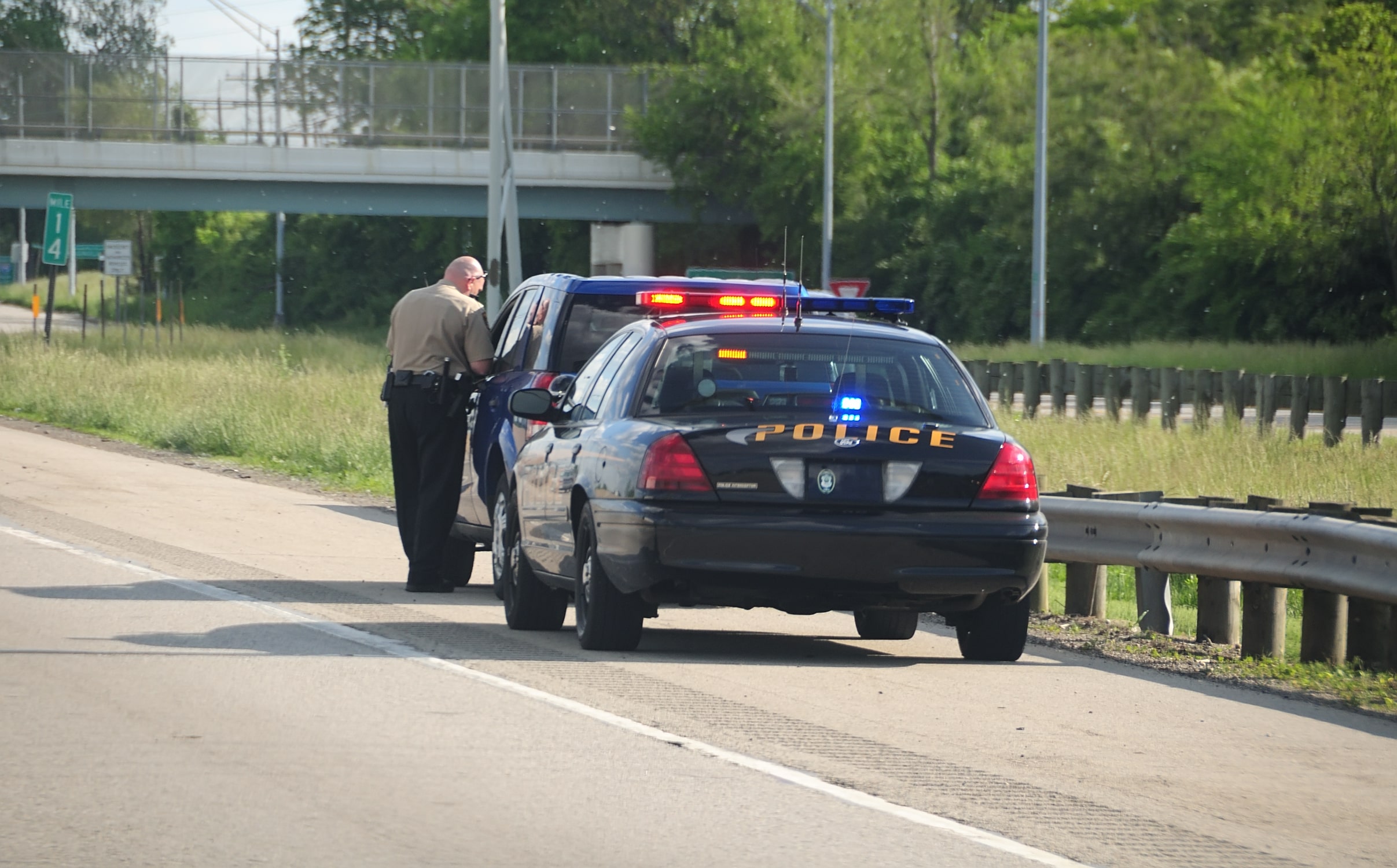
Underage Drinking Charges in Virginia: Penalties, License Suspension, and Long-Term Consequences
A charge for underage possession or consumption of alcohol might seem like a minor infraction, perhaps even a rite of passage to some. However, the Commonwealth of Virginia takes these offenses seriously. A conviction can result in penalties that extend far beyond a simple fine, potentially impacting educational opportunities, career prospects, and driving privileges.
For young adults and their families in Virginia Beach and the surrounding areas, understanding the full scope of the law is essential. While the immediate concern may be the court date or the potential fine, the long-term ramifications can linger on a criminal record for years. Navigating the legal system without professional guidance can lead to outcomes that might have been avoided or mitigated with proper legal representation. This article outlines the specific laws, penalties, and consequences associated with underage drinking in Virginia.
What Are the Underage Drinking Laws in Virginia?
In Virginia, the law is clear regarding alcohol and individuals under the age of twenty-one. It is illegal for any person under twenty-one years of age to possess, purchase, or consume alcoholic beverages. This statute is strictly enforced, and law enforcement officers are vigilant in identifying violations.
Possession does not necessarily mean holding a drink in hand. Constructive possession can occur if alcohol is within the individual’s immediate control, even if they are not currently drinking it. Furthermore, Virginia law prohibits the use of false identification to obtain alcohol. Attempting to purchase alcohol with a fake ID is a separate offense that can accompany a possession charge.
There are limited exceptions to these rules. For instance, possession or consumption is permitted within a private residence when accompanied by a parent, guardian, or spouse who is twenty-one or older. Additionally, delivering alcohol may be permitted in the scope of employment for certain jobs, provided specific conditions are met. However, these exceptions are narrow and specific. Relying on an assumption that a situation falls under an exception without legal advice can be risky.
Penalties for Underage Drinking in Virginia
A violation of the underage possession or consumption statute is generally classified as a Class 1 misdemeanor in Virginia. This is the most serious class of misdemeanor and carries significant potential penalties.
If convicted, an individual faces a mandatory minimum fine of five hundred dollars or the requirement to perform fifty hours of community service. The court also has the discretion to suspend the individual’s driver’s license for a period ranging from six months to one year. While jail time is theoretically possible for a Class 1 misdemeanor—up to twelve months—it is less common for a first offense of simple possession, though it remains a statutory possibility.
Judges often have the discretion to offer a first offender program. This typically involves probation, alcohol education or treatment, community service, and suspension of driving privileges. Upon successful completion of the program, the charge may be dismissed. However, failure to comply with all terms can result in a conviction and imposition of the original penalties. It is important to note that even a dismissed charge under this program can still leave a mark on one’s record in certain contexts.
Will an Underage Drinking Charge Suspend Your Driver’s License in Virginia?
The connection between underage drinking and driving privileges in Virginia is strict. The law mandates a license suspension for any person convicted of underage possession of alcohol, regardless of whether a vehicle was involved in the offense. This comes as a surprise to many who assume that their license is only at risk if they are caught drinking and driving.
The suspension period is mandatory. If the individual does not yet have a driver’s license, the ability to obtain one is delayed for the same duration. In some cases, the court may authorize a restricted license. This allows the individual to drive for specific, necessary purposes, such as traveling to and from work, school, or medical appointments. Obtaining a restricted license is not automatic and requires a petition to the court.
Violating the terms of a restricted license is a serious offense that can lead to revocation of the restricted privilege and additional criminal charges. For young adults who rely on driving for school or employment, the loss of unrestricted driving privileges can create substantial logistical and financial burdens.
Long-Term Consequences of an Underage Drinking Charge
Beyond the immediate court-imposed penalties, a conviction for underage drinking carries collateral consequences that can affect a young person’s future. A Class 1 misdemeanor conviction results in a permanent criminal record. Unlike juvenile adjudications, which are often sealed, a criminal conviction as an adult is generally a matter of public record.
This record can be accessed by potential employers, landlords, and educational institutions during background checks. Many colleges and universities have strict codes of conduct regarding drug and alcohol violations. A conviction, or even an arrest, can lead to disciplinary actions by the school, including suspension, expulsion, or the revocation of scholarships and financial aid.
Future career prospects can also be hindered. Certain professions, particularly those in law enforcement, healthcare, education, or government, require rigorous background checks and security clearances. A criminal record involving substance abuse can raise red flags for hiring managers and licensing boards, potentially disqualifying a candidate from their chosen field.
Insurance rates are another area of impact. A conviction that includes a license suspension will likely result in significantly higher auto insurance premiums. In some instances, insurance carriers may choose to drop coverage entirely, forcing the individual to seek more expensive high-risk insurance.
Defenses Against Underage Drinking Charges
While the laws are strict, a charge does not automatically equate to a conviction. Several defenses may be available depending on the specific facts of the case. A criminal defense attorney can evaluate the evidence to determine if the rights of the accused were violated during the encounter with law enforcement.
One common area of scrutiny is the legality of the stop or search. Police officers must have reasonable suspicion to stop an individual and probable cause to conduct a search. If the officer lacked a valid legal basis for the initial detention or the subsequent search that yielded the alcohol, the evidence may be suppressed. Without the evidence, the prosecution may be unable to prove the case.
Constructive possession is another area often challenged. Mere proximity to alcohol is not sufficient to prove possession. The prosecution must prove that the individual had dominion and control over the beverage and knowledge of its nature. If an individual is at a party where alcohol is present but is not holding or drinking it, proving possession can be difficult for the Commonwealth.
Identifying the substance is also a requisite element of the offense. The prosecution must prove that the liquid in question was indeed alcohol. While this often relies on the officer’s testimony regarding the odor or admission by the defendant, challenges can be raised regarding the sufficiency of this evidence.
Why Hiring a Virginia Criminal Defense Attorney Can Protect Your Future
Facing the criminal justice system is daunting, particularly for young adults who may be encountering it for the first time. The procedures, terminology, and potential outcomes can be overwhelming. Engaging a Virginia criminal defense attorney provides an advocate who understands the local courts, judges, and prosecutors.
An attorney plays a critical role in negotiating with the prosecution. In many cases, it may be possible to negotiate a plea agreement that minimizes the penalties or avoids a conviction altogether. For first-time offenders, ensuring entry into a diversion program is often a primary goal. An attorney can guide the client through the requirements of such programs to ensure successful completion.
Furthermore, an attorney can assist with the practical aspects of the penalty phase, such as petitioning the court for a restricted driver’s license. They can ensure that the petition is properly filed and that the court understands the necessity of the license for the client’s education or employment.
Defense counsel also serves as a buffer between the accused and the authorities, protecting the client from making self-incriminating statements. They examine every detail of the arrest to ensure that constitutional rights were upheld. If the case proceeds to trial, the attorney presents the defense, challenges the prosecution’s evidence, and advocates for the best possible verdict. Schedule a consultation with George Holton Yates Law Firm today by calling (757) 491-8800.

Related Posts