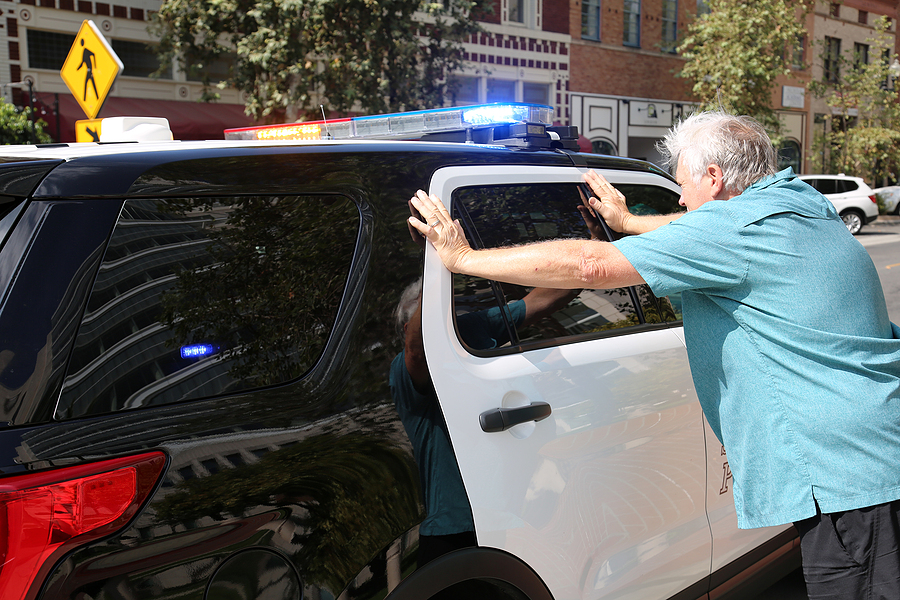

You are driving down Pacific Avenue after a dinner with friends. You felt fine when…
DUI Checkpoints in Virginia Beach: What Police Can and Cannot Do
DUI checkpoints in Virginia Beach are legal, but they are not absolute. Law enforcement must follow strict constitutional and procedural requirements under the Fourth Amendment, and failure to do so can expose the stop to suppression. When officers deviate from approved site plans, conduct unlawful searches, or extend detentions without reasonable suspicion, defendants may have grounds to challenge the entire arrest. Understanding what police are legally permitted to do at a checkpoint—and what exceeds their authority—is critical to building an effective defense.
The Legal Framework for DUI Checkpoints Under Virginia Law
Virginia courts have upheld the use of DUI checkpoints under limited circumstances consistent with state DUI laws. To satisfy constitutional scrutiny, checkpoints must meet three essential criteria: supervisory approval of the checkpoint location and operating procedures, a neutral selection formula that removes discretion from field officers, and minimal intrusion on motorists stopped at the checkpoint.
These safeguards exist to prevent arbitrary enforcement and protect drivers from unreasonable search and seizure. When law enforcement fails to adhere to these standards, the checkpoint may be invalidated, and all evidence obtained during the stop may be suppressed. Defense counsel must examine the specific site plan, officer testimony, and video evidence to determine whether the checkpoint complied with Virginia DUI laws and constitutional standards.
When Officers Deviate from Approved Checkpoint Procedures
Field officers are required to follow the checkpoint plan as written. When officers make discretionary decisions about which vehicles to stop, extend detentions beyond the scope of the initial screening, or conduct searches without probable cause, they exceed their authority. These deviations are not minor technicalities. They are constitutional violations that may result in suppression of all evidence obtained after the unlawful conduct.
A Virginia Beach DUI lawyer will review dashcam footage, officer reports, and the approved site plan to identify inconsistencies. If the plan required officers to stop every third vehicle but footage shows selective enforcement, the stop may be deemed arbitrary. If officers detained a driver for questioning beyond the initial license and registration check without articulable suspicion, the extended detention may be unlawful. Procedural discipline is not optional. It is a constitutional mandate.
Illegal Search and Seizure at DUI Checkpoints
The scope of a checkpoint stop is narrow. Officers may briefly detain a driver to check credentials and observe signs of impairment. They may not conduct warrantless searches of the vehicle or prolong the stop beyond its limited purpose without reasonable suspicion.
Illegal search and seizure frequently occur when officers exceed the permissible scope of the checkpoint. If an officer prolongs the stop or expands the investigation based solely on nervousness or hesitation, that action may lack the reasonable suspicion required under the Fourth Amendment. If an officer searches the vehicle without consent or probable cause, any evidence obtained may be inadmissible. Suppression motions filed by a DUI defense attorney challenge these violations and seek exclusion of improperly obtained evidence, including breath test results, field sobriety performance, and statements made during the unlawful detention.
How a DUI Defense Attorney Challenges Checkpoint Evidence
Prosecutors will attempt to justify checkpoint stops by relying on officer testimony, breathalyzer results, and field sobriety test performance. Defense counsel must challenge the procedural integrity of the stop, the reliability of the testing instruments, and the credibility of officer observations. Cross-examination must focus on whether the checkpoint complied with the approved plan, whether the officer had reasonable suspicion to extend the detention, and whether the arrest was supported by probable cause.
Suppression hearings are often the most critical phase of a DUI prosecution. If the checkpoint violated constitutional standards, the court may suppress all evidence obtained after the unlawful stop. If field sobriety tests were administered improperly or breath test procedures were not followed, those results may be excluded. A Virginia Beach DUI lawyer with trial experience will identify these weaknesses early and file motions to suppress before the case proceeds to trial.
Why Early Representation Matters After a DUI Checkpoint Arrest
The state will not disclose weaknesses in its case voluntarily. Defense counsel must obtain discovery, review video evidence, analyze the checkpoint plan, and interview witnesses to identify constitutional violations. This process begins immediately after arrest. Delays in securing representation may result in lost evidence, faded memories, and missed suppression opportunities.
A DUI arrest at a checkpoint is not a foregone conclusion. Constitutional protections exist to prevent unlawful stops, and procedural failures by law enforcement create opportunities for defense. Drivers who retain experienced counsel early position themselves to challenge the prosecution at every stage.
Schedule a confidential consultation with George Yates Law by calling (757) 491-8800 today.

Related Posts