

When law enforcement initiates contact, the decision to speak to police without a lawyer carries…
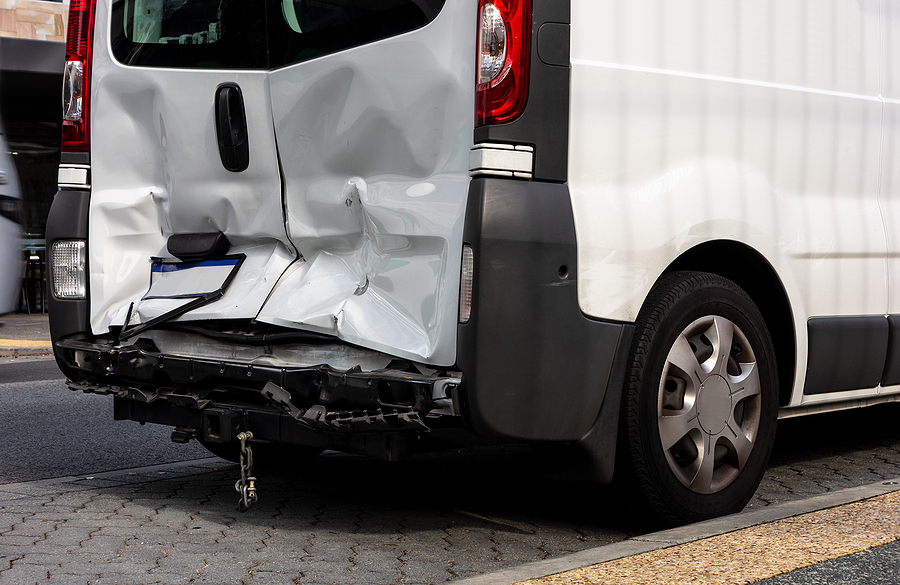
Rear-End Collisions in Virginia Beach: When Liability Is Not as Simple as It Seems
A common misconception is that rear-end collision liability in Virginia Beach, Virginia, is automatically assigned to the trailing driver. While a general presumption of fault exists against the driver who strikes another vehicle from behind, determining actual legal responsibility requires a precise, evidence-based analysis. Liability is rarely as straightforward as insurance adjusters suggest. Establishing fault demands a precise examination of the facts, driver conduct, and applicable state statutes.
The Presumption of Fault Under Virginia Law
Many injury victims assume that being struck from behind guarantees a successful claim. However, analyzing Virginia rear-end collision laws reveals a highly restrictive legal environment. Virginia is one of the few jurisdictions that enforce the doctrine of pure contributory negligence. Under this standard, if an injured party is found to be even one percent at fault for the collision, they are entirely barred from recovering any financial compensation.
This strict standard encourages defense counsel and insurance carriers to aggressively scrutinize the actions of the lead driver. If the lead driver failed to maintain functioning brake lights, reversed suddenly, or impeded the flow of traffic without legal justification, the defense will leverage these facts to assert contributory negligence. The presumption of fault against the trailing driver can be rebutted through strategic case development and strong evidence.
Strategic Exceptions to Liability
Understanding rear-end accident fault exceptions is critical for anticipating defense strategies and securing maximum financial recovery. Courts recognize specific scenarios where the trailing driver is not legally culpable for the collision. One recognized exception involves a sudden, unforeseeable stop by the lead vehicle in a location where a stop is legally prohibited or highly unexpected. If a driver abruptly halts on a high-speed interstate without an emergency justification, the trailing driver may not be held liable.
Erratic lane changes present another significant exception. When a vehicle cuts sharply in front of another driver and immediately applies the brakes, leaving the trailing driver with no adequate time or distance to avoid a collision, the trailing driver can often defeat the presumption of liability. Furthermore, sudden and catastrophic mechanical failures, such as a complete loss of braking capability due to a defective component, can constitute an unavoidable accident. Proving these rear-end accident fault exceptions requires securing witness testimony, vehicle telemetry data, and expert mechanical evaluations.
Complexities in a Multi-Vehicle Rear-End Accident
Determining fault becomes exponentially more complicated during a multi-vehicle rear-end accident. Chain reaction collisions often involve three or more vehicles, raising complex questions regarding which impact caused specific injuries and property damage. The defense for each driver will inevitably attempt to shift blame to the others to avoid financial responsibility.
In a multi-vehicle rear-end accident, establishing liability requires the deployment of accident reconstruction experts and forensic evidence analysis. Investigators must determine the sequence of impacts. For instance, the analysis must differentiate between a scenario where a third vehicle pushes a second vehicle into the first, versus a scenario where the second vehicle strikes the first before being struck by the third. Securing skid mark measurements, impact angles, and event data recorder information is essential to establishing a definitive timeline of events and assigning fault accurately under Virginia rear-end collision laws.
Defeating Insurance Company Resistance
Insurance carriers routinely exploit the complexities of rear-end collision liability to delay, diminish, or deny valid injury claims. Adjusters are trained to extract statements from victims that can be misconstrued to establish contributory negligence. Defeating insurance company resistance requires strict litigation readiness from the inception of the case.
A seasoned trial attorney approaches every claim as if it will proceed to a jury verdict. This trial-tested strategic case development prevents insurance carriers from dictating the settlement value. By aggressively gathering physical evidence, retaining leading medical and accident reconstruction experts, and controlling all communications with the defense, legal counsel neutralizes the tactics used by insurance companies. When the defense recognizes that the plaintiff is fully prepared to litigate the matter in a courtroom, they are far more likely to offer a settlement that accurately reflects the severity of the injuries.
Securing Maximum Financial Recovery
Rear-end accident fault exceptions must be addressed with precision and strategic legal analysis to secure full financial recovery. Injured parties must not rely on the assumption that the trailing driver will automatically be held responsible. The presence of contributory negligence arguments and the aggressive tactics of insurance defense firms require a highly strategic legal response. Thorough investigation and meticulous trial preparation are non-negotiable elements of a successful personal injury claim.
Schedule a confidential consultation with George Holton Yates Attorneys at Law by calling (757) 491-8800 to discuss your rear-end collision and potential liability issues.

Related Posts