
Car accident evidence can shape the outcome of a personal injury claim long before a…
5 Factors That Can Complicate Liability in a Multi-Vehicle Car Accident
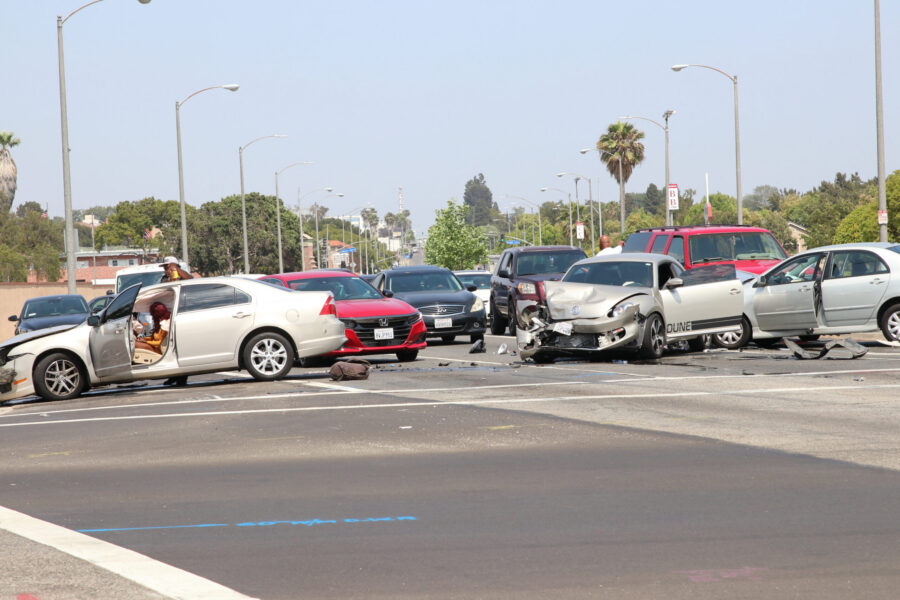
A multi-vehicle car accident in Virginia Beach, VA rarely produces a clear picture of fault. When three, four, or more cars collide, accounts of what happened can vary significantly. Each driver sees a different angle, remembers a different sequence, and often points toward someone else.
A thorough accident investigation can help establish how the collision unfolded and who may be responsible. Insurance companies move quickly after a crash involving several vehicles, with their own interests in mind. For an injured person, determining who caused the collision and which insurer bears responsibility can become difficult when multiple drivers may share fault. Five factors can make car accident liability especially challenging in these cases.
1. Conflicting Driver Accounts
No two drivers experience a crash the same way. Position on the road, sightline, speed, and reaction time all shape what each person believes occurred. One driver may insist the car ahead stopped suddenly. Another may claim there was no warning at all. These accounts often contradict one another, not out of dishonesty, but because perception is limited and adrenaline distorts memory.
Insurance adjusters know this. They look for inconsistencies between statements and use them to cast doubt on any driver who might otherwise have a strong claim. Establishing a coherent account of events requires more than testimony. It requires physical evidence that can confirm or contradict what each party says happened.
2. Chain-Reaction Impact Dynamics
Many multi-vehicle collisions unfold in stages. An initial impact forces one vehicle into another, which then strikes a third. Within seconds, a single lapse in judgment becomes a sequence of collisions involving vehicles that never had contact with the driver who caused the original problem.
Establishing how the crash unfolded matters because liability can depend on each driver’s conduct and whether that conduct contributed to the collision and resulting injuries. Skid marks, vehicle damage patterns, and the final resting position of each car often reveal which impact happened first and which followed. Accident reconstruction may become necessary in these cases, particularly when testimony alone cannot establish the sequence of impacts.
3. Identifying All Liable Parties
A single at-fault driver is not always the only possibility in accidents involving several vehicles. More than one driver’s negligence may contribute to the same collision. One driver may have followed too closely, while another may have merged without checking traffic. Both actions can play a role in causing the crash and resulting injuries.
A personal injury claim should account for every driver whose conduct may have contributed to the crash, not just the most obvious one. Insurance companies are aware of this dynamic and frequently attempt to shift blame toward another carrier or another driver to reduce their own exposure.
4. Evidence Preservation and Investigation Challenges
Physical evidence at a multi-vehicle accident scene deteriorates quickly. Vehicles get towed, debris is cleared, and roadways reopen to traffic within hours. Surveillance footage from nearby businesses may be overwritten within days. Once this evidence disappears, reconstructing the sequence of events becomes far more difficult.
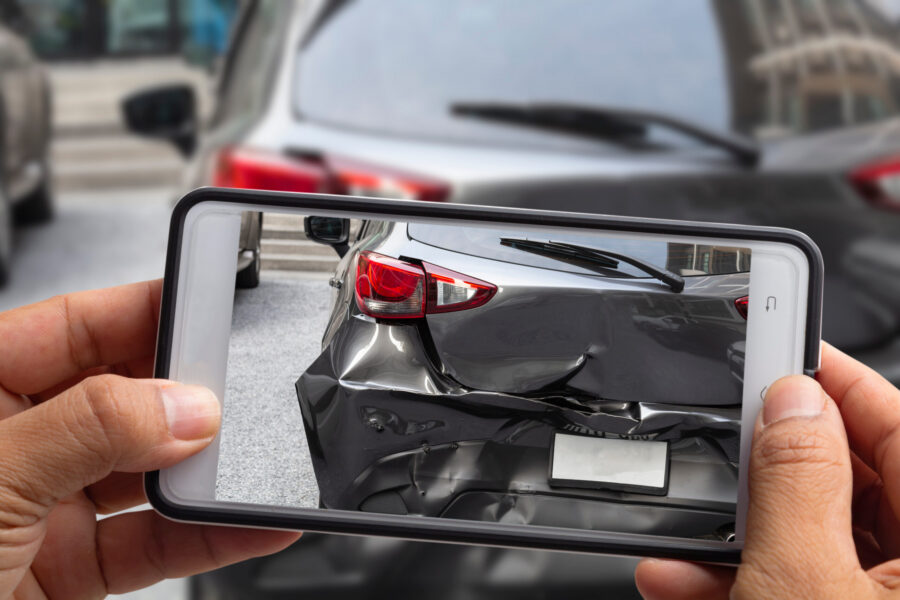
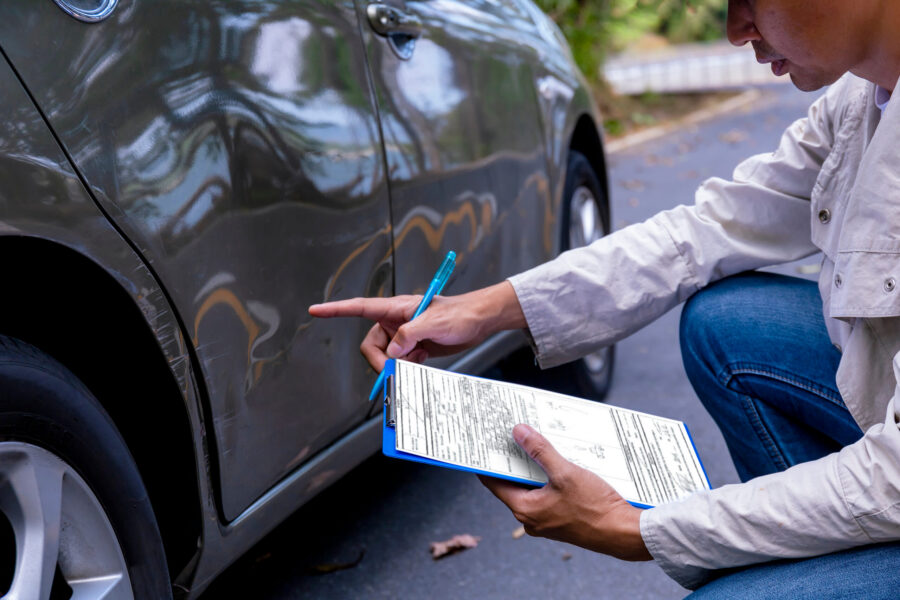
Early documentation can preserve evidence before conditions at the scene change. Photographs of vehicle positions, skid marks, and point-of-impact damage, along with witness contact information gathered at the scene, often make the difference in a disputed claim. An accident reconstruction expert can also help document and analyze details that might otherwise be lost. The quality of the investigation conducted in the days following a crash can significantly affect the strength of a claim months later.
5. Insurance Company Resistance and Settlement Tactics
When several vehicles are involved, multiple insurance carriers usually enter the picture as well. Each insurer represents its own driver’s interests, and each is motivated to minimize its own payout. This often results in a standoff, where every carrier points toward another driver’s policy as the primary source of coverage.
Adjusters may offer early settlements designed to close a claim before the full extent of injuries or liability becomes clear. Disputes over fault can also delay negotiations as carriers evaluate their insureds’ roles and point to other potentially responsible parties. When insurers dispute fault or resist a fair settlement, legal counsel must be prepared to litigate the claim and take the case to trial when necessary.
Why Experienced Legal Representation Matters
Multi-vehicle car accidents rarely resolve through a simple exchange of insurance information. Conflicting accounts, chain-reaction impacts, multiple at-fault parties, disappearing evidence, and disputes between insurers can make these claims more demanding than a typical two-car collision. Determining car accident liability in these situations requires careful investigation, a clear understanding of how the crash unfolded, and the willingness to pursue every party who may be legally responsible.
Anyone injured in a multiple-vehicle accident who is uncertain about fault, coverage, or the strength of their claim should not wait to seek guidance. Schedule a confidential consultation with George Holton Yates Attorneys at Law by calling (757) 491-8800 today.

Related Posts