

A bond hearing in Virginia Beach, Virginia is one of the earliest and most consequential…
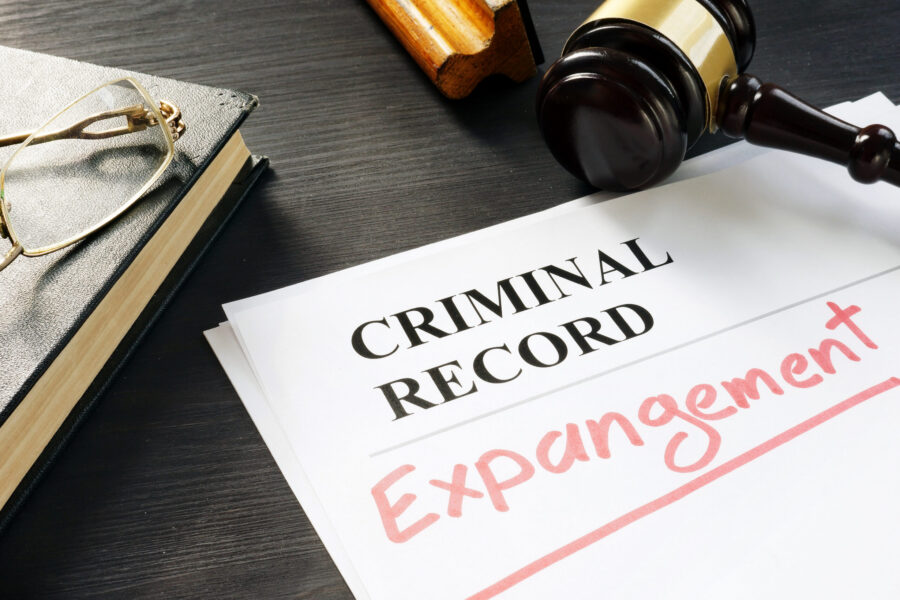
Virginia’s New Clean Slate Law: Can Your Criminal Record Be Sealed?
Virginia’s new Clean Slate Law represents one of the most significant changes to criminal record law in decades. For individuals in Virginia Beach, VA, with prior criminal records, the new law may create opportunities for criminal record sealing in certain circumstances. Understanding what this law does and does not do may be one of the most important legal steps they can take. A prior conviction or arrest record can quietly limit opportunities for employment, housing, and professional licensing long after a sentence has been served.
What Is Virginia’s New Clean Slate Law?
Enacted as part of broader criminal justice reform efforts, Virginia’s Clean Slate Law establishes a framework for the automatic sealing of certain criminal records. The statute provides an avenue for eligible individuals who have completed their sentences and satisfied applicable waiting periods, allowing qualifying records to be shielded from public view without requiring a court petition in some circumstances.
The law covers specific categories of offenses, including certain misdemeanor convictions and limited categories of felony convictions where permitted by Virginia law. Eligibility depends on the type of offense, the outcome of the case, and other statutory requirements. Not every record qualifies, and eligibility is determined by a combination of factors: the nature of the charge, the outcome of the case, the statutory waiting period, and whether the individual has incurred subsequent convictions. Virginia law sets different timelines for different offense categories, and those timelines must be satisfied before a record becomes eligible for sealing under the Clean Slate Law. Because each case is different, individuals should not assume every criminal record qualifies for sealing under the Virginia Clean Slate Law.
How Is Record Sealing Different From Expungement?
These two terms are frequently used interchangeably, but they represent distinct legal remedies under Virginia law. Confusing them can lead to significant misunderstandings about what relief is actually available.
Expungement in Virginia refers to the physical destruction or return of records related to charges that did not result in a conviction. It applies to acquittals, dismissed charges, and certain other non-conviction outcomes. A successfully expunged record is removed or destroyed as provided by Virginia law, effectively eliminating the public record of the arrest or charge.
Record sealing, by contrast, does not erase the underlying record. When a criminal record is sealed under the Clean Slate Law, it is shielded from general public access, meaning it will not appear on most standard background checks. However, the record still exists. Law enforcement agencies, courts, and certain licensing bodies may retain access under defined statutory circumstances. Understanding this distinction matters, particularly for individuals navigating professional licensing applications or regulated industries where disclosure obligations may still apply.
Which Criminal Records May Be Eligible for Sealing?
Whether a record qualifies under the Clean Slate Law depends on the specific facts of each case. Certain misdemeanor convictions carry a waiting period before a record may be sealed. Certain felony convictions may qualify for record sealing under limited circumstances established by Virginia law, though the waiting periods are generally longer and the qualifying criteria are narrower. Offenses involving violence, sexual crimes, and certain other serious categories are generally excluded from eligibility entirely.
Dismissed charges and deferred dispositions may follow a separate legal pathway, potentially expungement rather than sealing, depending on the procedural outcome of the original case. Anyone considering criminal record sealing under Virginia law should carefully review the specific charge, case disposition, and applicable statutory requirements before drawing conclusions about eligibility.
Is Record Sealing Automatic or Do You Have to File a Petition?
The Clean Slate Law establishes both automatic and petition-based record sealing for different categories of eligible records. Whether a record is sealed automatically or requires a petition depends on the type of offense, the disposition of the case, and the applicable statutory requirements.
Some records qualify for automatic sealing, while others require an individual to file a petition with the court. Determining which process applies depends on the specific circumstances of the case and the applicable provisions of Virginia law. That process involves identifying the appropriate court, gathering supporting documentation, and demonstrating that all statutory requirements have been met. A successful petition results in a court order directing the sealing of the record, an outcome that can meaningfully expand access to employment, housing, and other opportunities that a visible criminal record may otherwise restrict.
Why Experienced Legal Guidance Matters Under the New Law
Virginia’s Clean Slate Law creates new opportunities for some individuals to limit public access to eligible criminal records, but determining whether the law applies requires a careful review of the facts and the applicable statutes. Eligibility, waiting periods, and the appropriate legal process vary from case to case, making individualized legal guidance important.
An experienced criminal defense attorney can evaluate the full record, identify which charges or convictions may qualify for sealing or expungement, and guide the petition process from start to finish. Legal representation also allows for a thorough assessment of cases where automatic sealing may not have occurred as expected while courts and agencies continue implementing the law.
If you have a prior criminal record and want to know whether you may qualify for record sealing under the Virginia Clean Slate Law, qualified legal counsel is the appropriate first step.
If you have questions about whether your criminal record may qualify for sealing, contact George Holton Yates Attorneys at Law at (757) 491-8800 to schedule a confidential consultation.

Related Posts