

Receiving a criminal charge for credit card fraud is an overwhelming experience that can create…
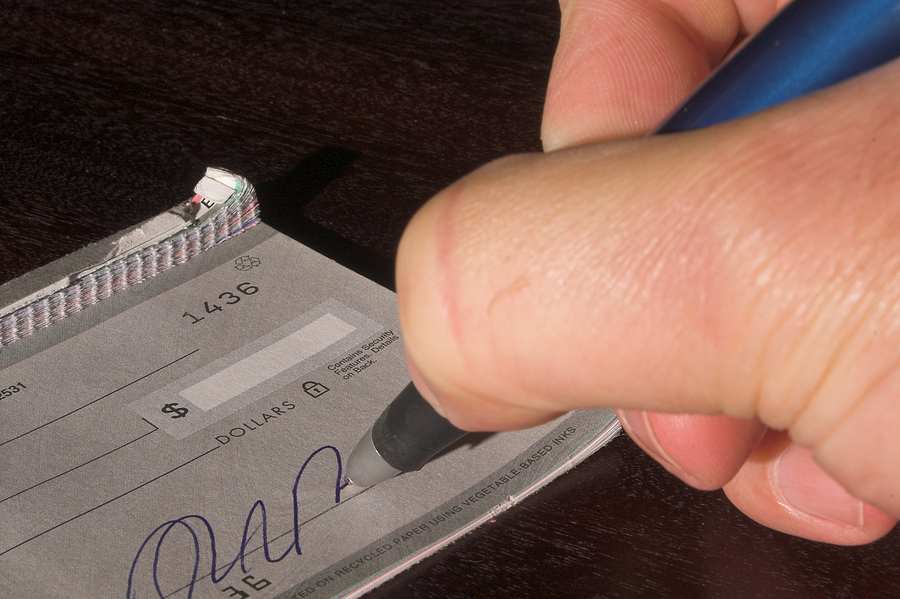
Understanding Criminal Charges for Writing Bad Checks in Virginia: Laws, Penalties, and Defenses
Writing a check when you know there are insufficient funds in your bank account is more than just an embarrassing financial mistake or a civil dispute. In the Commonwealth of Virginia, it constitutes a crime that can lead to serious legal repercussions. Many individuals assume that a bounced check is a minor issue that they can resolve simply by paying the bank fees and reimbursing the merchant. However, Virginia law takes a much stricter stance on financial deception. If you issue a check with the intent to defraud a merchant or individual, you could face criminal prosecution, significant fines, and even incarceration.
It is crucial for residents of Virginia Beach and the surrounding areas to understand the gravity of these charges. A conviction for writing a bad check creates a criminal record that can follow you for the rest of your life, impacting your employment prospects and reputation. This article provides a comprehensive overview of the legal landscape regarding bad checks in Virginia, defines what constitutes a crime under the statute, and outlines the potential penalties you might face if convicted.
How Virginia Law Defines Bad Check and Check Fraud Offenses
The Code of Virginia classifies the act of passing a bad check as a form of larceny. The law specifically targets individuals who obtain goods, services, or currency by presenting a check, draft, or order for payment while knowing that there are not enough funds in the account to cover the amount. This offense is often referred to as “passing a bad check” or “check fraud.”
It is important to understand that the law applies not just to traditional paper checks but also to other orders for the payment of money. The core of the offense lies in the deceptive nature of the act. The state views the transaction as a theft because the writer of the check received something of value in exchange for a promise of payment that they knew was worthless. While accidents do happen, the legal system distinguishes between an honest accounting error and a calculated attempt to defraud. However, the line between the two can sometimes blur during a criminal investigation, which is why understanding the specific elements of the crime is essential for any defendant.
What Prosecutors Must Prove to Convict You of Writing a Bad Check
To secure a conviction for writing a bad check, the prosecution must prove several specific elements beyond a reasonable doubt. First, they must demonstrate that you acted with an intent to defraud. This means that the act was not an innocent mistake or a banking error but a calculated move to obtain something of value without paying for it. The intent to defraud is the mental state required to commit the crime, and it is often the most contested element in court.
Second, the prosecution must show that you knew the account had insufficient funds at the time you wrote the check. Proving what was in a person’s mind at the exact moment they signed a check can be difficult. To address this, Virginia law provides a legal presumption of intent to defraud under specific circumstances. If a check is returned for insufficient funds and the writer fails to pay the full amount within five days of receiving notice from the recipient, the court may presume the writer intended to commit fraud. This five-day notice is a crucial procedural element. It effectively shifts the burden to the check writer to correct the situation immediately or face a legal presumption that they acted with criminal intent.
Additionally, the state must prove that the check was indeed presented for payment and subsequently dishonored by the bank. The actual receipt of goods or services is not strictly required to prove the intent to defraud, but it serves as strong evidence that the accused intended to gain something for nothing.
Penalties and Long-Term Consequences of a Bad Check Conviction in Virginia
The severity of the punishment for writing a bad check in Virginia depends largely on the monetary value of the check involved. The law categorizes these offenses based on specific dollar thresholds, distinguishing between misdemeanor and felony charges.
If the face value of the check is less than one thousand dollars, the offense is generally classified as a Class 1 misdemeanor. While a misdemeanor is less severe than a felony, it is still a serious criminal charge. A conviction at this level can result in confinement in jail for up to twelve months and a fine of up to two thousand five hundred dollars. Even a short jail sentence can disrupt your employment and family life, and the financial burden of fines and court costs can be substantial.
However, if the check amount meets or exceeds one thousand dollars, the charge escalates to a Class 6 felony. A felony conviction carries significantly harsher penalties. You could face a prison sentence ranging from one to five years. Alternatively, at the discretion of the court or a jury, the penalty may include confinement in jail for up to twelve months and a fine of up to two thousand five hundred dollars.
Beyond immediate incarceration and fines, a conviction leaves a permanent criminal record. A felony record leads to the loss of certain civil rights, such as the right to vote and the right to own or possess a firearm. Furthermore, crimes involving fraud or larceny are particularly damaging to your professional reputation. Many employers perform background checks and will automatically disqualify candidates with a history of financial crimes or theft. This can make it incredibly difficult to secure employment in fields that require trust, such as finance, retail, or security.
Common Defenses to Bad Check Charges
Facing a charge for writing a bad check does not mean a conviction is inevitable. You do have legal avenues to challenge these charges and present a defense. One of the primary defenses involves attacking the element of intent. If you genuinely believed that the funds were available in your account, you did not have the intent to defraud. Perhaps you made a mathematical error in your checkbook register, or perhaps you believed a direct deposit had already cleared when it had not. If you can demonstrate that the insufficient funds were the result of an honest mistake rather than deceit, you may be able to defeat the charge.
Another potential defense arises if the bank made an error. Banks occasionally make mistakes regarding hold times on deposits or account balances. If the check bounced due to a bank error rather than your own lack of funds, you should not be held criminally liable. You would need to provide bank records and documentation to support this claim.
Furthermore, issues regarding the five-day notice can sometimes serve as a defense. The law requires the recipient of the dishonored check to send notice via certified mail to your last known address. If the recipient failed to provide this legally required notice, the presumption of fraudulent intent might not apply. This does not automatically dismiss the case, but it makes the prosecution’s job significantly harder as they must prove intent through other evidence.
Additionally, passing a post-dated check often implies that both parties understood the funds were not currently available. If you told the merchant to hold the check until a future date, and they agreed, this evidence suggests that there was no deception involved at the time you handed over the check.
Why Hiring a Criminal Defense Attorney Matters in Bad Check Cases
Navigating the criminal justice system in Virginia Beach without professional assistance is risky. The laws surrounding financial crimes involve complex evidentiary rules and procedural nuances. An experienced criminal defense attorney can evaluate the specific facts of your case to determine the best strategy for your defense. They can examine the evidence to see if the prosecution can actually prove the necessary element of intent.
A skilled lawyer can also negotiate with prosecutors on your behalf. In some instances, it may be possible to arrange for restitution in exchange for a reduction or dismissal of charges. This is particularly true for first-time offenders where the primary goal of the victim is simply to be paid what they are owed. Prosecutors may be willing to drop criminal charges if the merchant is made whole and legal costs are covered.
Having a legal advocate ensures that your rights are protected throughout the process. They can prevent you from inadvertently admitting to guilt during questioning and can challenge any procedural errors made by law enforcement. Whether your goal is to fight the charges at trial or to negotiate a favorable plea agreement, professional legal counsel is indispensable
Do not assume that you can explain your way out of the situation with the police or the prosecutor without legal guidance. You need a legal team with the experience and dedication to defend your rights and safeguard your future. Schedule a consultation with George Holton Yates Attorneys at Law today by calling 757-491-8800.

Related Posts